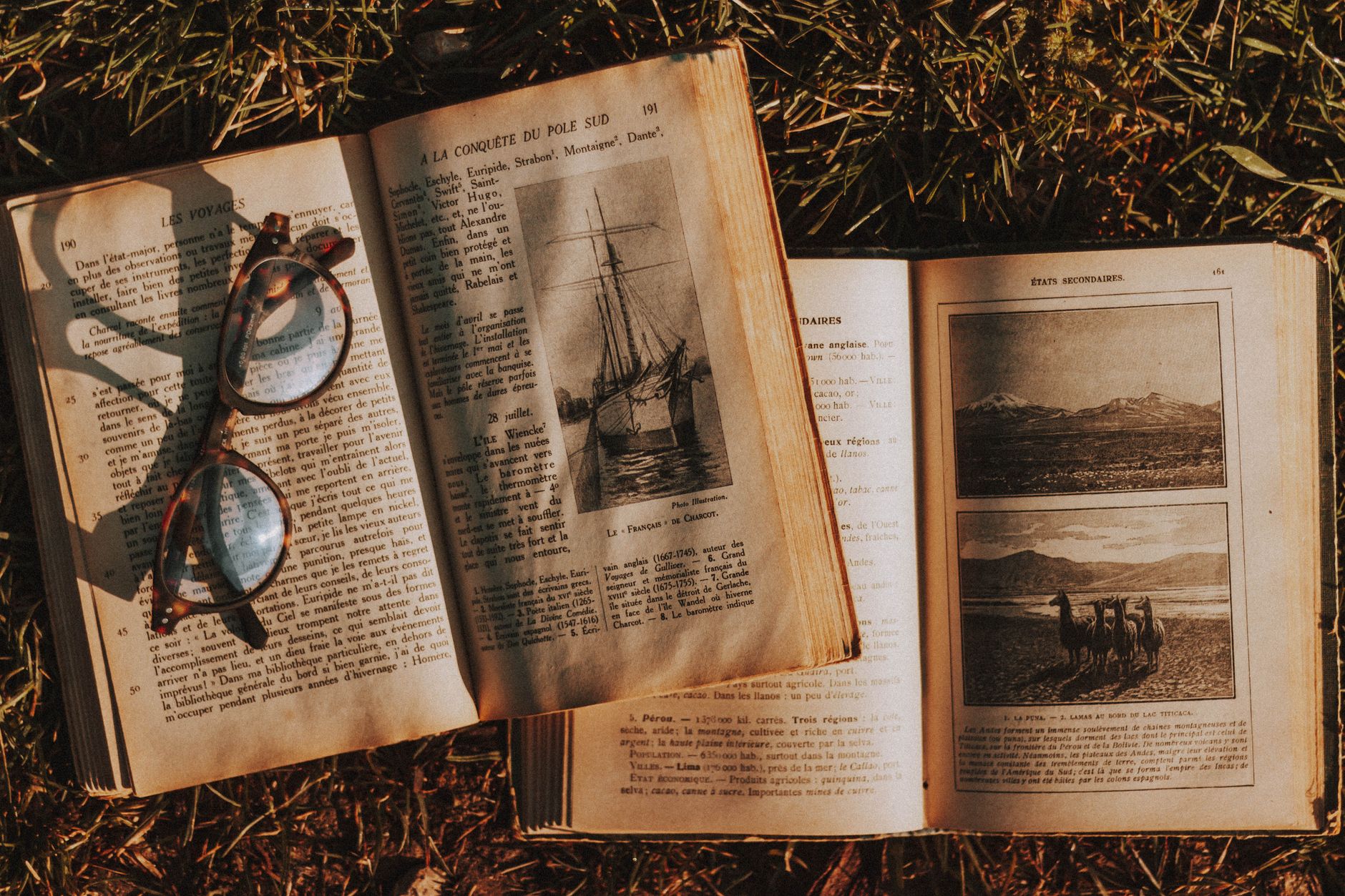
The Best Classic Books Everyone Should Read at Least Once
Unlock timeless wisdom and unforgettable stories with this curated list of essential classic literature.
Why Read Classic Literature Today?
In a world saturated with fleeting digital media, classic literature offers a grounding anchor for the mind. These books endure because they explore the universal human condition, tackling themes of love, betrayal, and existential dread that remain intensely relevant. Reading the classics will noticeably expand your vocabulary while building a profound empathy for diverse historical perspectives.
The Essential Classic Books Shortlist
Narrowing down centuries of brilliant writing into a single, cohesive reading list is an incredibly daunting task. We prioritized culturally significant texts that have fundamentally shaped modern storytelling and shifted societal paradigms. Here are five foundational novels that will undoubtedly challenge your intellect and capture your imagination.
1984 by George Orwell
A chilling dystopian masterpiece that introduced terms like ‘Big Brother’ and ‘thoughtcrime’ into our everyday vocabulary. Orwell’s exploration of totalitarianism and government surveillance remains strikingly prescient.
Pride and Prejudice by Jane Austen
This sharp social satire masks itself as a sweeping Victorian romance between Elizabeth Bennet and Mr. Darcy. Austen delivers piercing commentary on class, marriage, and female independence in nineteenth-century England.
To Kill a Mockingbird by Harper Lee
Set in the racially divided Deep South during the Great Depression, this Pulitzer Prize-winning novel explores innocence and deep-rooted injustice. Atticus Finch’s defense of structural prejudice provides a powerful moral compass.
The Great Gatsby by F. Scott Fitzgerald
A tragic critique of the American Dream, set against the glittering backdrop of the Roaring Twenties jazz age. Fitzgerald’s lyrical prose captures the hollow decadence of wealthy elites chasing impossible illusions.
Moby-Dick by Herman Melville
Far more than a simple whaling adventure, this sprawling epic dives into the depths of human obsession and nature’s terrifying indifference. Captain Ahab’s quest offers an incredibly complex study of existential philosophy and revenge.
How to Start Reading Classics Without Getting Overwhelmed
Tackling dense, Victorian-era prose can easily feel intimidating for modern readers who are accustomed to fast-paced thrillers. Start by choosing professionally structured audiobooks narrated by acclaimed actors, which effectively breathe vibrant life into archaic dialogue. Alternatively, read complex chapters in dedicated, twenty-minute increments to properly digest the heavy thematic layers without burning out.
Ready to build your ultimate timeless library? Join our weekly newsletter to receive curated reading lists and literary discussion guides delivered straight to your inbox.
Frequently Asked Questions About Classic Books
Frequently asked questions
What exactly makes a book a classic?
A classic book typically possesses high artistic quality, broad universal appeal, and the remarkable ability to stand the test of time. These novels transcend their original publication eras to speak directly to subsequent generations.
Are all classic novels difficult to read?
Not at all. While authors like James Joyce or William Faulkner employ notoriously difficult prose, many classics like ‘The Great Gatsby’ or ‘Of Mice and Men’ are concise, highly accessible, and straightforward.
Which classic book should I try to read first?
Beginners should often start with shorter, character-driven novels like ‘Frankenstein’ by Mary Shelley or ‘Animal Farm’ by George Orwell. Their driving plots and manageable word counts make them incredibly easy to stick with.
Why are classic novels mandatory in school curriculums?
Educators prioritize these texts because they provide historical context, showcase masterful grammatical structures, and encourage deep critical thinking. Analyzing complex literary themes prepares students for high-level textual comprehension and analytical debates.