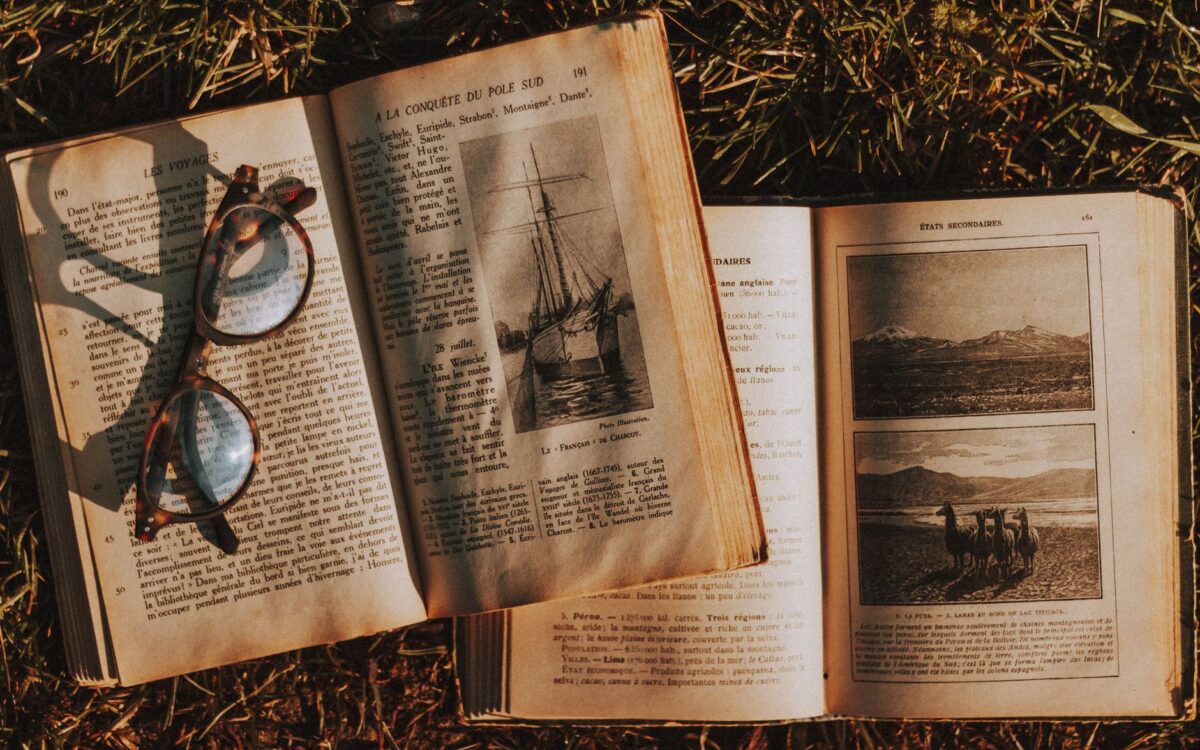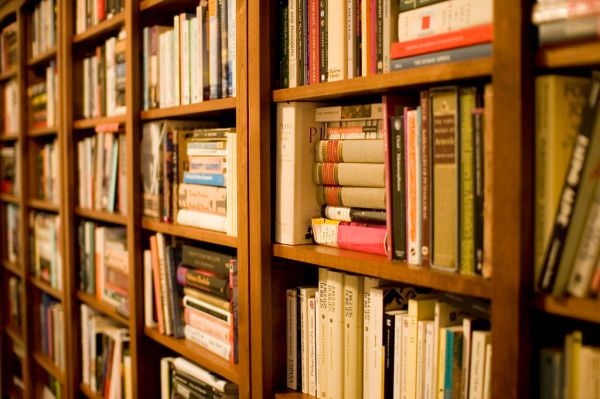
A home library is one of life’s quiet luxuries, a personal collection of stories and ideas you can return to again and again. But many people assume building one requires deep shelves, a dedicated room, and a fortune spent at full-price bookstores. The truth is far more encouraging. With a little patience and the right sources, you can build a rich, personal home library on a modest budget. This guide shows you exactly how.
Why Build a Home Library at All?
In an age of e-readers and streaming, a physical home library still offers something screens cannot. A shelf of books is a map of your curiosity, a comforting presence in a room, and an invitation to read that no app notification can match. Studies have even suggested that children who grow up surrounded by books tend to develop stronger literacy and a lifelong love of learning. Beyond the practical benefits, a home library is simply a joy to build and to own.
Start With a Realistic Budget and a Plan
Before you buy a single book, decide what your home library is for. Are you collecting novels to reread, reference books for a hobby, or a broad mix to explore? A loose theme keeps you from buying randomly and running out of money or space. Then set a small monthly budget, even ten or twenty dollars. Consistency beats splurging. A steady trickle of well-chosen books will fill your shelves faster than you expect.
Where to Find Great Books for Less
The secret to an affordable home library is knowing where to look. Full-price retail should be your last resort, not your first.
Used bookstores and thrift shops
Secondhand stores are treasure troves where hardcovers often cost a dollar or two. Visit regularly, because stock changes constantly and the best finds go quickly. Thrift shops in particular are wildly underrated for cheap, quality books.
Library book sales
Public libraries frequently sell donated and retired books to raise funds, often for pocket change. End-of-sale bag deals, where you fill an entire bag for a few dollars, are the single best way to bulk up a home library fast.
Online marketplaces
Websites that sell used books let you hunt down specific titles for a fraction of retail, sometimes for the cost of shipping alone. Compare prices across a few sellers before buying.
Little Free Libraries and swaps
Neighborhood book-sharing boxes and book swaps with friends cost nothing at all. Take a book, leave a book, and watch your collection grow for free.
How to Choose Books Worth Keeping
A home library is not a warehouse. The goal is a curated collection you genuinely value, not a wall of titles you will never open. When considering a book, ask yourself whether you will reread it, reference it, or lend it. If the honest answer is no to all three, it may be better left on the shelf at the store. Quality and meaning matter far more than sheer quantity.
That said, do not be afraid to take chances on unfamiliar authors when the price is low. Some of the best additions to a home library are the surprising ones you picked up on a whim.
Shelving and Organizing on a Budget
You do not need custom cabinetry to display your books. Affordable, sturdy bookcases are widely available secondhand, and a fresh coat of paint can make an old shelf look intentional. Floating shelves, repurposed furniture, and even sturdy crates can all hold a growing collection.
When it comes to organizing, choose a system that helps you find books easily. Popular approaches include:
- By genre or subject, so related books sit together.
- Alphabetically by author, which makes specific titles easy to locate.
- By color, which looks striking, though it can make finding a title harder.
There is no wrong answer. The best system is the one you will actually maintain.
Caring for Your Collection
A home library is an investment of time and money, so protect it. Keep books out of direct sunlight, which fades spines, and away from damp areas, which invite mold. Store books upright or flat rather than leaning, and avoid cramming them so tightly that the covers bend. A gentle dusting now and then keeps everything looking cared for. Well-treated books can last for generations.
Frequently Asked Questions
How many books do I need for a home library?
There is no magic number. A home library can be fifty carefully chosen books or five thousand. What matters is that the collection reflects your interests and gets used, not that it hits a particular count.
Are e-books part of a home library?
They can be. A digital collection counts as a library too, and many readers keep both. Physical and digital books each have their strengths, so use whatever mix suits your space and habits.
How do I stop my home library from taking over the house?
Practice a gentle one-in, one-out rule. When a shelf fills up, donate or swap books you no longer love. This keeps your collection fresh, meaningful, and manageable.
Final Thoughts
Building a home library on a budget is not about spending big. It is about shopping smart, choosing thoughtfully, and letting your collection grow over time. Haunt the used bookstores, hit the library sales, and give unfamiliar authors a chance. Before long you will have shelves full of books that tell the story of who you are. For more on reading and the culture of ideas, browse our Arts & Books section and keep the pages turning.