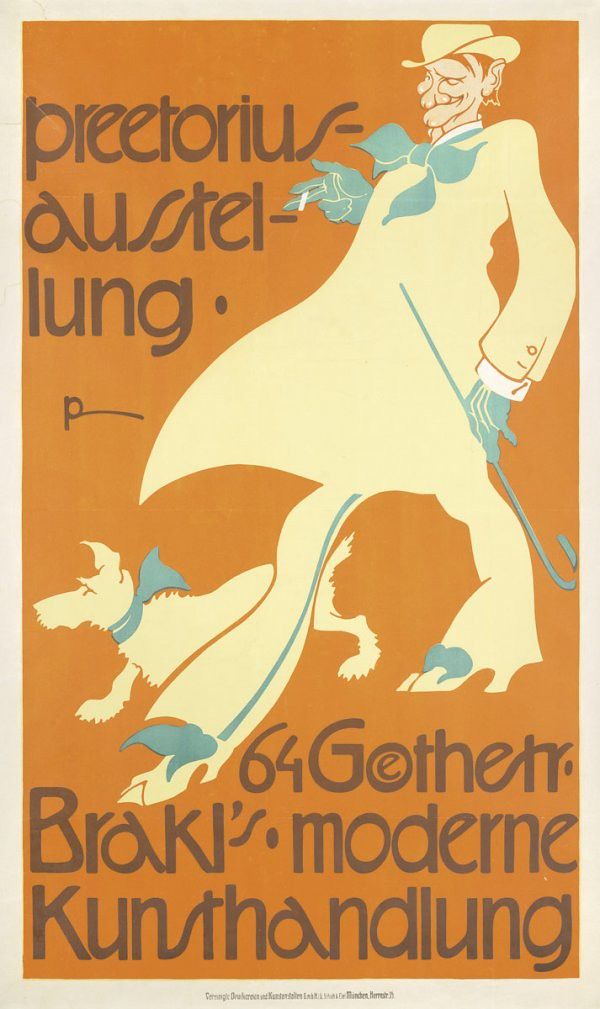
Standing in front of a blank blue canvas or a pile of bricks in a gallery, many people quietly think the same thing: I do not get it. If that sounds familiar, you are in good company. Appreciating modern art can feel like being handed a puzzle with no instructions. But once you learn a few simple ways of looking, the confusion gives way to genuine curiosity and even delight. This beginner’s guide will help you approach modern art with confidence, whether you are wandering a world-famous museum or a small local gallery.
Why Modern Art Feels So Confusing
For centuries, art was largely judged by how skillfully it copied reality. A great painting looked like the thing it depicted. Modern art tore up that rulebook. Beginning in the late nineteenth century, artists stopped trying to reproduce the visible world and started exploring emotion, ideas, movement, and the raw materials of art itself. When you measure a modern abstract canvas against the old standard of realism, it will always seem to fail. The trick is to change the question you are asking.
What Counts as Modern Art?
The term can be slippery. Broadly, “modern art” refers to work made from roughly the 1860s to the 1970s, when artists broke away from tradition and experimented radically. “Contemporary art” usually means art from the 1970s onward. In everyday conversation, though, people often use “modern art” to describe anything that looks abstract, unconventional, or challenging. For a beginner, the exact dates matter less than the spirit: modern art is art that questions what art can be.
Shift Your Mindset: From “What Is It” to “What Does It Do”
The single most useful change you can make is to stop asking what a piece is supposed to be and start asking what it does to you. Modern art is often less about depicting a subject and more about creating an experience. A wall of pure red might not represent anything, yet it can make you feel enveloped, unsettled, or strangely calm. That feeling is not a side effect; it is the point.
When you let go of the need to decode a hidden picture, you free yourself to respond honestly. Art appreciation is not a test with right answers. It is a conversation between the work and you.
How to Look at a Piece of Modern Art
Slowing down transforms the experience. Here is a simple approach that works for almost any piece.
Give it time
Most gallery visitors spend only a few seconds per artwork. Try lingering for a full minute or two instead. Let your eyes wander across the surface, the colors, the textures, and the scale. Attention is the currency of art appreciation.
Notice your reaction
Before analyzing anything, register how the piece makes you feel. Bored, curious, uneasy, joyful? There are no wrong answers, and your gut response is valuable information about how the work operates.
Read the title and context
The title often unlocks a layer of meaning, and the small wall label can tell you when and why the piece was made. Knowing that a work responded to war, technology, or personal loss can completely change how you see it.
Consider the era
Ask what was happening in the world when the artist worked. Modern art is frequently a reaction to its times, and understanding that backdrop turns a baffling object into a meaningful statement.
Major Movements Worth Knowing
You do not need an art history degree, but recognizing a few movements makes galleries far more rewarding.
- Impressionism: loose brushwork capturing light and fleeting moments rather than sharp detail.
- Cubism: objects fractured and shown from several angles at once, pioneered as a radical new way of seeing.
- Surrealism: dreamlike, irrational imagery that taps into the unconscious mind.
- Abstract Expressionism: large, gestural canvases where the act of painting itself becomes the subject.
- Pop Art: bold, playful work borrowing from advertising, comics, and consumer culture.
- Minimalism: stripped-down forms and industrial materials that ask you to focus on pure shape, color, and space.
Spotting these styles gives you a mental map, so instead of feeling lost, you can say, “Ah, this is playing with the ideas of that movement.”
It Is Okay to Dislike Some of It
Here is a liberating truth: you are allowed to dislike modern art, even famous pieces. Appreciation does not mean forced admiration. Some works will leave you cold, and that is a perfectly valid response. The goal is not to love everything but to look openly and let each piece earn or lose your interest on its own terms. Often the works that annoy you the most are worth a second look, because strong reactions, even negative ones, mean the art is doing something.
Making the Most of a Gallery Visit
A few practical habits make museum trips more enjoyable. Go when it is quiet if you can, so you have space to think. Do not try to see everything; fatigue dulls the senses, and five artworks truly absorbed beat fifty glanced at. Take a break, sit on a bench, and simply watch how a piece changes the longer you look. If your museum offers short guided notes or an audio guide, use them for a few works to deepen your understanding without overwhelming yourself.
Frequently Asked Questions
Do I need to study art history first?
No. A little context helps, but curiosity and attention matter far more. You can learn the history gradually as specific artists and movements catch your interest.
Why is some modern art worth so much money?
Prices reflect rarity, an artist’s influence, historical importance, and market demand rather than the hours of labor involved. Value in the art world is complicated and only loosely tied to how a piece looks.
What if I still do not “get” a piece?
That is completely fine. Not every work will speak to you, and even seasoned critics disagree constantly. Move on, and let the pieces that resonate be the ones you dwell on.
Final Thoughts
Appreciating modern art is a skill anyone can develop, and it begins with a simple shift: look slowly, feel honestly, and stay curious. Learn a handful of movements, give each piece a real moment of your attention, and give yourself permission to love some works and reject others. Do that, and galleries stop being intimidating and start being an adventure. For more on culture, creativity, and the world of ideas, explore our Arts & Books section and see art with fresh eyes.