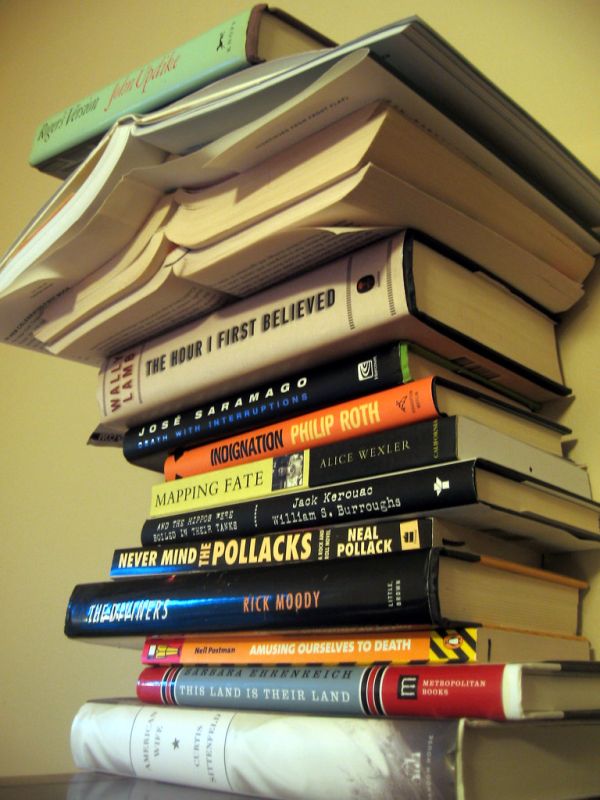
Building a reading habit is one of the most rewarding changes you can make to your daily routine, yet it is also one of the easiest to abandon. Most people do not struggle because they dislike books. They struggle because they treat reading as a burst of willpower instead of a small, repeatable system. In this guide you will learn how to build a reading habit that actually sticks, using practical steps grounded in behavioral science rather than vague motivation.
Why a Reading Habit Is Worth Building
A consistent reading habit does more than fill your shelves. Regular reading has been linked to lower stress, a broader vocabulary, sharper focus, and stronger empathy. Unlike scrolling, reading trains your attention to stay with a single idea long enough to understand it deeply. Over a year, just twenty minutes a day adds up to more than a dozen books, quietly reshaping how you think and what you know.
The key insight is that outcomes follow systems. You do not need to become a different person overnight. You need a small routine that is almost impossible to skip, and then you let momentum do the rest.
Start Small: The Two-Page Rule
The single biggest mistake new readers make is setting the bar too high. Promising yourself fifty pages a night sounds ambitious, but ambition is fragile. Instead, commit to reading just two pages a day. Two pages is so easy that you have no excuse to skip it, even on your worst day.
This works because the hardest part of any habit is starting. Once the book is open and you have read two pages, you will usually keep going. And on the days you do not, you still kept the habit alive. Consistency, not volume, is what turns an activity into an identity.
Design Your Environment for Reading
Willpower is unreliable, but environment is dependable. If you want to read more, make books the path of least resistance and make distractions harder to reach.
Make the book visible
Leave your current book on your pillow, beside the coffee maker, or on the couch where you relax. A visible cue is a silent reminder. Out of sight really does mean out of mind.
Create friction for distractions
Charge your phone in another room during your reading window, or use a focus setting that hides notifications. Every second of friction you add to a distraction is a second you buy back for reading.
Choose the Right Books, Not the “Right” Books
Many people stall because they think they should be reading difficult classics or heavy nonfiction. But a reading habit built on obligation collapses quickly. Give yourself full permission to read what you genuinely enjoy, whether that is mystery novels, memoirs, science fiction, or lighthearted essays.
Enjoyment is the engine. Once reading becomes a reliable source of pleasure, you can gradually stretch into more challenging territory. Start where the fun is, and let curiosity pull you forward. If a book bores you after fifty pages, it is perfectly fine to set it aside. Life is short and there are too many good books to finish bad ones.
Anchor Reading to an Existing Habit
One of the most effective ways to lock in a new behavior is habit stacking, which means attaching your reading to something you already do without thinking. The formula is simple: after I do X, I will read for a few minutes.
- After I pour my morning coffee, I will read two pages.
- After I get into bed, I will read one chapter.
- After I finish lunch, I will read for ten minutes.
The existing habit becomes a trigger, so you no longer rely on remembering or feeling motivated. The cue does the work for you.
Track Progress Without Turning It Into a Chore
A light touch of tracking can be powerfully motivating. Marking an X on a calendar for each day you read creates a chain you will not want to break. Watching that streak grow is satisfying, and the desire to keep it going often carries you through low-energy days.
Just be careful not to let tracking become pressure. If you miss a day, never miss twice. One skipped day is an accident; two in a row is the start of a new pattern. Forgive the lapse and simply begin again the next day.
Common Obstacles and How to Beat Them
“I don’t have time”
Almost everyone has pockets of hidden time: a commute, a waiting room, the ten minutes before sleep. Keep a book or e-reader with you and those gaps become reading time. You do not need a free hour; you need a free five minutes used well.
“I keep falling asleep”
If bedtime reading knocks you out, move your reading to the morning or midday when your mind is fresher. There is no rule that says reading must happen at night.
“I lose interest halfway through”
Interest fades fastest when a book is a poor match. Try switching genres, reading two books at once, or choosing shorter works to rebuild momentum. Finishing three short books feels far better than abandoning one long one.
Frequently Asked Questions
How long does it take to form a reading habit?
Research on habit formation suggests it can take anywhere from a few weeks to a couple of months for a behavior to feel automatic. The exact number matters less than showing up consistently. If you read a little most days for six to eight weeks, the habit will begin to feel natural.
Do audiobooks count?
Yes. Audiobooks are a legitimate and convenient way to enjoy books, especially while commuting, exercising, or doing chores. If your goal is to absorb stories and ideas, listening counts every bit as much as reading print.
How many books should I aim for in a year?
Forget the number. A better goal is a daily reading habit. If you read consistently, the book count takes care of itself, and you will likely surprise yourself by the end of the year.
Final Thoughts
A lasting reading habit is not built on heroic willpower or ambitious targets. It is built on small, repeatable actions: two pages a day, a visible book, a trusted trigger, and permission to read what you love. Start tiny, protect your streak, and let momentum carry you. For more ideas on getting the most from your bookshelf, explore our Arts & Books section, where we cover reading, writing, and the culture of ideas. Open a book today, read just two pages, and let the habit grow from there.